


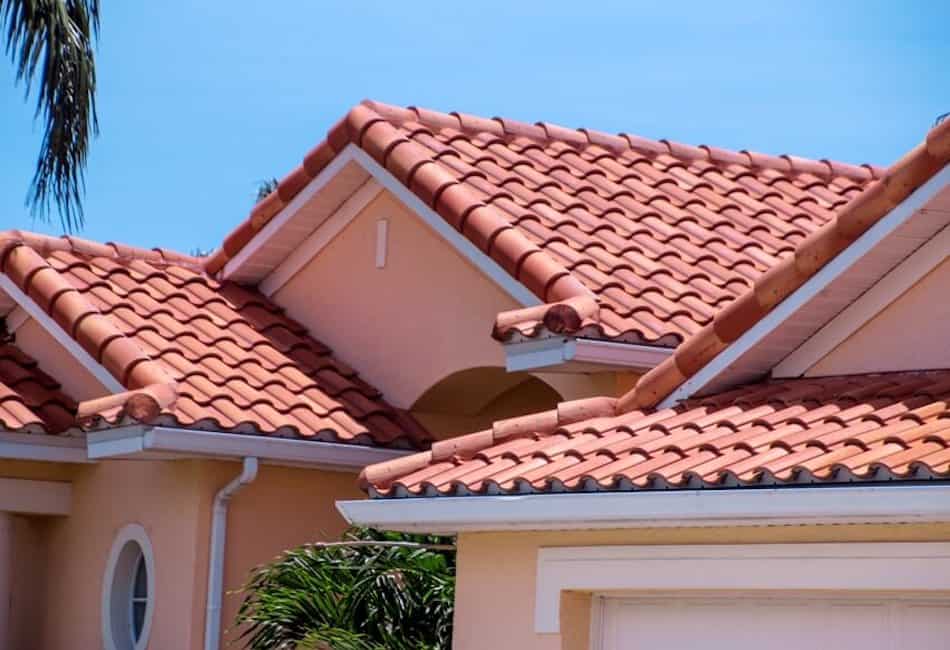

Tile roofing has protected homes for centuries, earning its reputation as one of the most durable and architecturally distinctive roofing materials available. Homeowners choose tile roofs for their exceptional longevity, superior weather resistance, and timeless aesthetic appeal that enhances property value. Unlike conventional materials requiring replacement every 15-25 years, quality tile systems last 50-100 years with minimal maintenance. The material’s natural ability to withstand extreme temperatures, heavy winds, and fire makes it particularly valuable in challenging climates. Beyond practical benefits, tiled roofs create stunning visual impact with distinctive profiles and rich colors that complement various architectural styles.
What is Tile Roofing?
Tile roofing is a roofing system consisting of individual overlapping tiles installed on battens or directly over underlayment to create a durable, weather-resistant covering. The system works through overlapping tiles that shed water efficiently while allowing air circulation beneath, promoting ventilation that extends roof deck lifespan and improves energy efficiency.
Tile roof construction involves multiple layers: structural roof decking, waterproof underlayment, battens or mounting systems, and the tiles themselves secured with clips, nails, or foam adhesive. Weight considerations are crucial—roofing tiles typically weigh 700-1,000 pounds per square, requiring stronger structural support than lighter materials. The system’s durability comes from this substantial construction combined with materials that resist weathering, UV degradation, and biological growth.
Who Is Tile Roofing Best For?
Tile roofs suit homeowners prioritizing long-term value over initial cost savings. This roofing excels in hot, sunny climates where reflective properties reduce cooling costs and heat-resistant materials withstand intense UV exposure. Coastal regions benefit from tile’s superior resistance to salt air corrosion and hurricane-force winds.
Architecturally, tiled roofs complement Mediterranean, Spanish Colonial, Mission, Southwestern, and contemporary styles, enhancing curb appeal and property values significantly. Homeowners planning long-term residency benefit most, as the investment pays dividends through eliminated replacement cycles and minimal maintenance over 50-100 years. The material’s Class A fire rating provides maximum protection in wildfire-prone areas.
Roof Tile Material Types
Tile roof materials vary significantly in composition, performance characteristics, weight, and cost. Each material offers distinct advantages for specific climates and aesthetic preferences.
Clay Roof Tiles — Traditional clay shingles offer exceptional durability lasting 75-100 years with natural earth tones that develop character over time, resisting fading, rot, and insect damage.
Concrete Roof Tiles — Manufactured from sand, cement, and water, concrete tiles provide similar appearance to clay at lower costs, lasting 40-50 years with good durability.
Slate Roof Tiles — Natural stone slate represents the premium option, lasting 100+ years with unmatched elegance, though extremely heavy and expensive.
Metal Roof Tiles — Lightweight metal alternatives mimic traditional tile appearance while reducing structural requirements, lasting 40-70 years with excellent weather resistance.
Composite Roof Tiles — Engineered from recycled materials and polymers, composite tiles replicate authentic appearance at reduced weight and cost, lasting 30-50 years.
Solar Roof Tiles — Integrated photovoltaic tiles generate electricity while protecting your home, combining roofing and energy generation at premium costs.
Terracotta Roof Tiles — A specific type of clay tile fired at high temperatures, terracotta offers warm, earthy tones with 75-100 year lifespans and excellent Mediterranean aesthetic.
Roof Tile Styles & Shapes
Roof tile types come in various profiles, each creating distinct visual character while affecting water drainage, installation complexity, and architectural compatibility.
Spanish Roof Tiles — Featuring distinctive S-curves with alternating concave and convex shapes, Spanish tiles create dramatic shadow lines and authentic Mediterranean character.
Mission Roof Tiles — Similar to Spanish but with half-round profiles creating pronounced barrel shapes, mission tiles deliver bold architectural presence for Spanish Colonial styles.
Flat Shingle Roof Tiles — Low-profile tiles resembling traditional shingles provide subtle, refined appearance working well on various slopes and architectural styles.
Interlocking Roof Tiles — Engineered with precise edges that lock together, these provide superior wind resistance and weather protection with simplified installation.
Shake Roof Tiles — Textured to replicate wood shake appearance, these offer rustic character without wood’s maintenance and fire risks.
Scalloped Roof Tiles — Featuring decorative curved edges, scalloped tiles add ornate Victorian or French Country character requiring skilled installation.
French Roof Tiles — Flat with interlocking profiles and subtle curves, French tiles provide elegant, understated sophistication for European-inspired architecture.
Graduated & Tapered Roof Tiles — Varying in size from ridge to eave creates dimensional interest and historical authenticity with labor-intensive installation.
Pros and Cons of Tile Roofing
Pros
Exceptional Longevity — Tile roofs last 50-100 years, eliminating multiple replacement cycles.
Superior Weather Resistance — Excellent performance against wind, rain, hail, and extreme temperatures.
Fire Protection — Class A fire ratings provide maximum protection in wildfire-prone regions.
Energy Efficiency — Natural thermal mass reduces cooling costs by 10-25% in hot climates.
Low Maintenance — Minimal upkeep required beyond periodic inspections.
Aesthetic Appeal — Distinctive appearance enhances curb appeal and property values.
Environmental Sustainability — Natural materials, long lifespans, and recyclability make tiles eco-friendly.
Cons
High Weight — Tile roofing weighs 700-1,000 pounds per square, often requiring structural reinforcement adding $1,000-3,000 to costs.
Higher Initial Cost — Materials and installation cost $10-25 per square foot, substantially more than asphalt shingles.
Brittleness — Individual tiles crack when walked on, requiring careful maintenance access and specialized repairs.
Complex Installation — Proper installation requires experienced contractors with specialized knowledge.
Longer Installation Time — Labor-intensive process extends project timelines compared to conventional materials.
Homeowners across Berks County, Lehigh County, Bucks County, and Montgomery County trust Infinity Home Remodeling for expert tile roof installation and assessment. We evaluate structural requirements, help you select ideal types of roof tiles for your architecture and climate, and deliver meticulous installation ensuring decades of performance. Contact us today for a comprehensive consultation and discover how tile roofing transforms and protects your home for generations.