

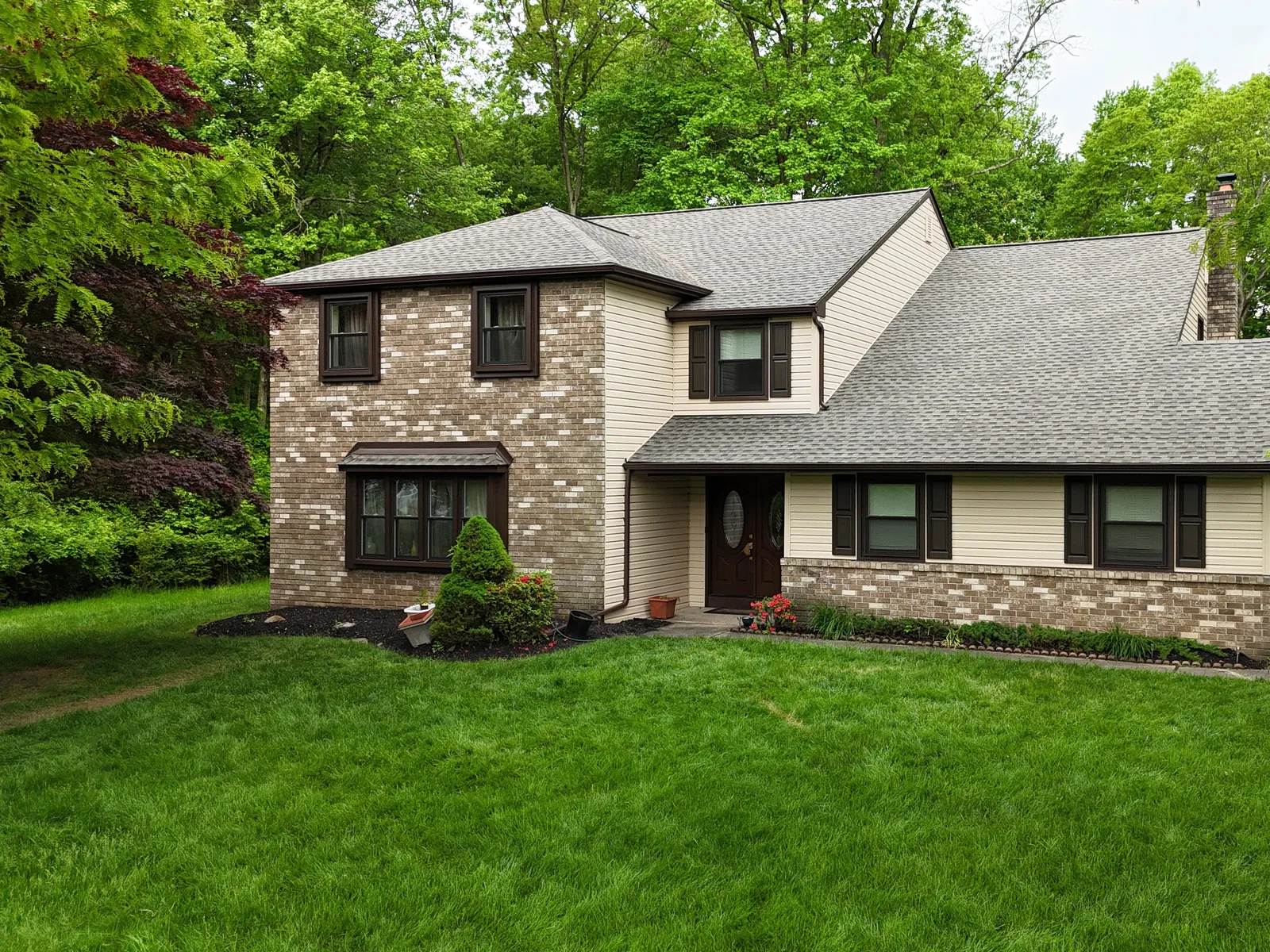

Your front door takes more abuse than almost any other part of the house. It swings open and shut many times a day, faces sun, rain and cold, and it has to keep the house secure and comfortable while still looking good from the street. The material it is made from has a lot to do with how well it handles all of that.
Most residential entry doors are made from one of three materials: fiberglass, steel or wood. This guide compares them on maintenance, insulation, security and appearance, using guidance from government energy resources and door manufacturers. Where a point comes from a manufacturer, we say so, since manufacturers naturally present their own products in the best light.
The short version
| Fiberglass | Steel | Wood | |
|---|---|---|---|
| Maintenance | Lowest | Low; scratches can rust if not repainted | Highest; finish needs regular upkeep |
| Insulation | Foam core; much better than solid wood | Foam core; much better than solid wood | Lowest of the three |
| Dents and weather | Resists dents; does not rot or warp | Can dent; dents can be filled | Can warp, crack or split with moisture and sun |
| Look | Can mimic wood grain; paintable and stainable options | Smooth or wood-grain textures | Real wood |
Insulation and energy efficiency
A State of Illinois home energy guide on doors says insulated metal or fiberglass doors seal and insulate better than wooden doors. It states that the R-values of most steel and fiberglass-clad entry doors range from R-5 to R-6, not counting the effect of any glass, and that a 1-1/2 inch thick door without a window offers better than five times the insulating value of a solid wood door of the same size.
The same guide describes one common type of insulated door as a steel skin with a polyurethane foam core and a magnetic weatherstrip, similar to a refrigerator door seal. If it is installed correctly and the door is not bent, it says, this type of door needs no further weatherstripping.
Glass changes the picture. ENERGY STAR sets different requirements for doors depending on how much glass they have. Under the current Version 7.0 criteria, a solid (opaque) door needs a U-factor of 0.17 or lower in every climate zone, while doors that are more than half glass in our North-Central zone need a U-factor of 0.26 or lower. The more glass a door has, the more its energy performance depends on the glass package.
Maintenance
Fiberglass
ProVia says fiberglass doors offer the lowest maintenance, resist denting and scratching, and can be cleaned with mild soap and water. Therma-Tru says its fiberglass doors will not warp or rot like wood, or dent or rust like steel. Many fiberglass doors are painted or stained after installation, and the finish matters. Therma-Tru, for example, does not offer factory-finished door systems, and its FAQ says its fiberglass door systems must be finished within 6 months of installation to keep the warranty, and that its doors should be painted with a high-quality exterior house paint or stained with a recommended product.
Steel
ProVia describes steel doors as generally low maintenance, with one important caution: if a scratch goes through the galvanized coating, the door can rust if it is not properly primed and painted. Small dents can be repaired; ProVia says dents can be pulled and puttied with an auto-body repair kit. Therma-Tru, which sells mainly fiberglass, says standard steel doors can dent and bow.
Wood
Wood doors need the most care. Simpson, a wood door manufacturer, says the rate at which a wood door ages and how often it needs maintenance are significantly affected by its exposure to sun and rain, and that every exterior door should be installed under an overhang or with sufficient protection. It recommends examining the finish often if your entry gets a lot of direct sun from the south or west, and warns that dark colors can heat up the door and cause cracking, movement and splitting.
Simpson lists signs that a wood door needs refinishing: hairline cracks in the top coat, color changes, flaking or scaling, and a dull or chalky finish. It also notes that regular finish maintenance is a requirement of its door warranty. Check the care guide for your own door, since requirements differ by manufacturer.
For every door: weatherstripping
Whatever the material, the Illinois energy guide recommends checking weatherstripping every year and replacing it as needed, noting that damaged weatherstripping can increase energy loss around a door many times over.
Security
The Illinois energy guide notes that insulated metal and fiberglass doors offer more of a deterrent to intruders than wooden doors. ProVia says steel doors offer the best solution for owners most concerned with security, and that solid fiberglass construction provides significant security over wood. Therma-Tru claims its fiberglass doors are up to 30% more resistant to kick-ins than standard steel doors in its own pendulum impact testing.
The slab is only part of the story. Manufacturers also point to the frame and hardware: Therma-Tru, for example, promotes strike plates that use long screws to reach the house framing and multi-point locks that engage the frame at three points. When comparing doors, ask what frame, lock and strike hardware come with the system.
Appearance
- Fiberglass: ProVia says fiberglass doors most closely mimic the grain of real wood doors. Some fiberglass lines can be stained; others are paint-grade only. Therma-Tru, for example, lists some collections as stainable and others as paint-only.
- Steel: ProVia offers steel in smooth or wood-grain textures with multiple stain and paint finishes.
- Wood: The real thing, in natural grain. The trade-off is the maintenance described above.
Storm doors: a caution
If you plan to add a storm door, be careful about sun. The Illinois energy guide warns never to add a glass storm door if the entry door gets more than a few hours of direct sun each day, because the glass can trap heat against the door and possibly damage it. Therma-Tru says a properly installed and properly vented storm door will not void its warranty. Check your door manufacturer’s rules before adding one.
Which material is right for you?
- Choose fiberglass if you want low maintenance, good insulation and a wood look without wood upkeep. ProVia calls fiberglass the number one replacement choice for homeowners.
- Choose steel if security and value are your top priorities and you are willing to touch up scratches promptly.
- Choose wood if the look of real wood matters most and the entry is well protected by a porch or overhang.
At Infinity Home Remodeling, we install ProVia entry doors, including the Signet and Ascent fiberglass lines and the Legacy steel line. You can see them on our windows and doors page.
Frequently asked questions
Is fiberglass or steel more energy efficient?
Both are well insulated when built with a foam core. A State of Illinois energy guide puts most steel and fiberglass-clad entry doors at R-5 to R-6, not counting glass. Glass changes the numbers, which is why ENERGY STAR sets separate door criteria based on how much glass a door has.
Which entry door material needs the least maintenance?
Fiberglass. ProVia describes it as the lowest-maintenance option, and it does not rot like wood or rust like steel. It still needs to be painted or stained and kept clean.
Do steel doors rust?
They can if a scratch goes through the protective coating and is not primed and painted, according to ProVia. Priming and painting scratches promptly is the fix.
Can a wood door work on a sunny, exposed entry?
It can, but it will need more frequent refinishing. Simpson recommends installing wood doors under an overhang and checking the finish often on south- and west-facing entries. Dark colors can cause cracking and splitting in strong sun.
Thinking about a new front door? We can help you compare materials and styles for your entry. Learn more about our entry door replacement service, or request a free estimate. You can also review ENERGY STAR’s door criteria.