



Selecting the right roofing style is one of the most important decisions you’ll make as a homeowner. Your roof protects your family, shapes your home’s character, and significantly impacts curb appeal and energy costs. Understanding the different roof types, shapes, and materials will help you make an informed choice that enhances both the beauty and functionality of your home.
Understanding Different Roof Types and Styles
Each roof style offers unique characteristics that define your home’s appearance:
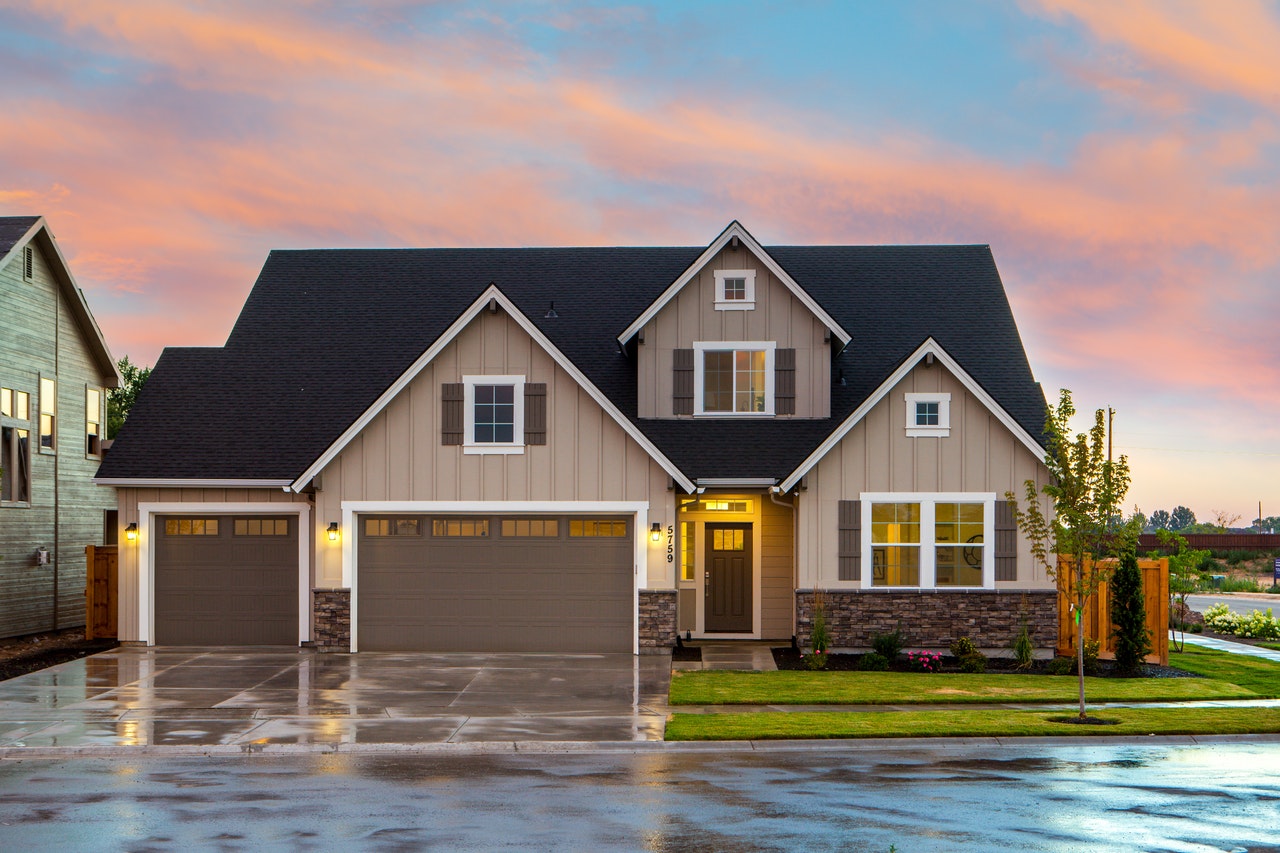
Gable Roof – The most recognizable American roof style features two sloping sides that meet at a central ridge, forming a triangle. This classic design provides excellent water drainage and attic ventilation. Gable roofs work beautifully with Colonial, Cape Cod, and traditional home styles.
Hip Roof – This design slopes downward on all four sides, creating a more subtle, pyramid-like appearance. Hip roofs offer superior wind resistance and stability, making them ideal for areas prone to hurricanes or strong storms. They suit ranch-style, craftsman, and Mediterranean homes perfectly.
Flat Roof – Despite the name, flat roofs have a slight pitch for drainage. This modern design creates clean, minimalist lines and offers potential for rooftop decks or gardens. Flat roofs are signature elements of contemporary, mid-century modern, and industrial-style homes.
Mansard Roof – This French-inspired design features a double slope on all four sides, with the lower slope being nearly vertical. The distinctive profile creates additional living space and suits Victorian, Second Empire, and upscale traditional homes.
Gambrel Roof – The classic barn-style roof has two slopes on each side, with the lower slope being steeper. This design maximizes attic space and complements Dutch Colonial, farmhouse, and country-style homes.
Shed Roof – A single sloping plane creates a bold, contemporary statement. This simple yet striking design works beautifully for modern homes, additions, and porches where architectural drama is desired.
Common Roof Shapes and Names You Should Know
Understanding roof terminology helps you communicate with contractors and make informed decisions. Roof pitch measures steepness—a 4:12 pitch rises 4 inches for every 12 inches horizontally. Low-pitch roofs (4:12 or less) create modern, horizontal lines, while steep-pitch roofs (8:12 or higher) offer traditional aesthetics and better snow shedding.
Dormer roofs are small projections from the main roof that add windows, light, and architectural interest. Cross-gable roofs combine multiple gable sections at right angles, perfect for L-shaped or complex floor plans. Saltbox roofs feature one long slope and one short slope, creating the distinctive asymmetrical profile of colonial New England architecture.
Popular Roofing Materials and Their Features
Now that you understand roof styles, let’s explore the materials that bring them to life:
Asphalt Shingles – The most popular American roofing material lasts 20-30 years and works with virtually any roof type. Available in countless colors and styles, three-tab shingles offer economy while architectural shingles provide enhanced dimension and curb appeal. Best for: gable, hip, and gambrel roofs on traditional and contemporary homes.
Metal Roofing – Standing seam or metal panel roofing lasts 40-70 years, reflects heat to reduce cooling costs by up to 25%, and requires minimal maintenance. Available in various colors and finishes. Best for: gable, shed, and gambrel roofs, particularly on farmhouse, modern, and coastal homes.
Clay and Concrete Tiles – These premium materials last 50+ years with distinctive curved or flat profiles that create authentic Mediterranean aesthetics. Tiles are heavy and require proper structural support. Best for: hip and low-slope roofs on Spanish, Mediterranean, and Southwestern-style homes.
Slate Roofing – Natural stone roofing lasts 75-200 years, offering unmatched elegance and fire resistance but requiring specialized installation and strong roof structure. Best for: gable, hip, and mansard roofs on Victorian, Colonial, and historic homes.
TPO and EPDM Membranes – Single-ply rubber membranes last 15-30 years and are specifically designed for low-slope applications with excellent waterproofing. Best for: flat roofs on modern and contemporary homes.
Factors to Consider When Choosing a Roof Style
Architecture matters most—your roof should complement your home’s design. Colonial homes suit gable roofs, Mediterranean homes need hip or low-slope designs for tiles, and modern homes embrace flat or shed roofs for clean lines.
Climate plays a crucial role. Northern regions with heavy snow need steep pitches (8:12 or higher) that shed snow effectively—pair these with asphalt shingles or metal roofing. Coastal areas require wind-resistant hip roofs with properly fastened architectural shingles or metal panels. Hot Southern climates benefit from light-colored metal roofs or reflective shingles that reduce attic temperatures.
Budget varies significantly by material choice. Asphalt shingles offer affordability with reliable performance, while metal roofing provides long-term savings through durability and energy efficiency. Premium materials like slate or tile represent significant investments that can last generations.
Local Building Codes may restrict certain materials. Some areas prohibit wood shakes due to fire risk, while historic districts may require specific materials to preserve character. Always verify local requirements before finalizing your choice.
Design, Curb Appeal, and Future Upgrades
Color coordination creates visual harmony. Dark roofing pairs beautifully with light siding, while earth-tone shingles complement brick or stone exteriors. Consider how your choices affect resale value—neutral colors appeal to broader buyer pools.
Planning for solar panels? Simple gable or hip roofs with south-facing slopes work best. Asphalt shingles and metal roofing accommodate solar mounting systems most easily, while tile and slate require specialized installation techniques.
Energy Efficiency and Weather Protection
Roof style and materials directly impact your energy bills. Light-colored metal roofing can reduce cooling costs by 15-25% in hot climates. Proper attic ventilation beneath steep-pitched roofs prevents ice dams in winter and heat buildup in summer. The combination of appropriate roof pitch and quality materials ensures decades of reliable weather protection.
Working with a Professional Installer
Choose a licensed, insured contractor with specific experience in your roof style and chosen material. Request detailed estimates breaking down materials, labor, warranties, and timelines. Quality contractors assess your roof’s structural capacity—especially important for heavy materials like tile or slate—and provide recommendations tailored to your home’s architecture and local climate.
Choosing the perfect roof for your home doesn’t have to be overwhelming. Our experienced team at Infinity Home Remodeling serves homeowners throughout Berks County, Lehigh County, Bucks County, and Montgomery County with expert guidance on roof selection and professional installation. From classic gable designs to modern shed roofs, we’ll help you find the ideal combination of style and material that protects your investment and enhances your home’s beauty. Contact us today for a free consultation!