


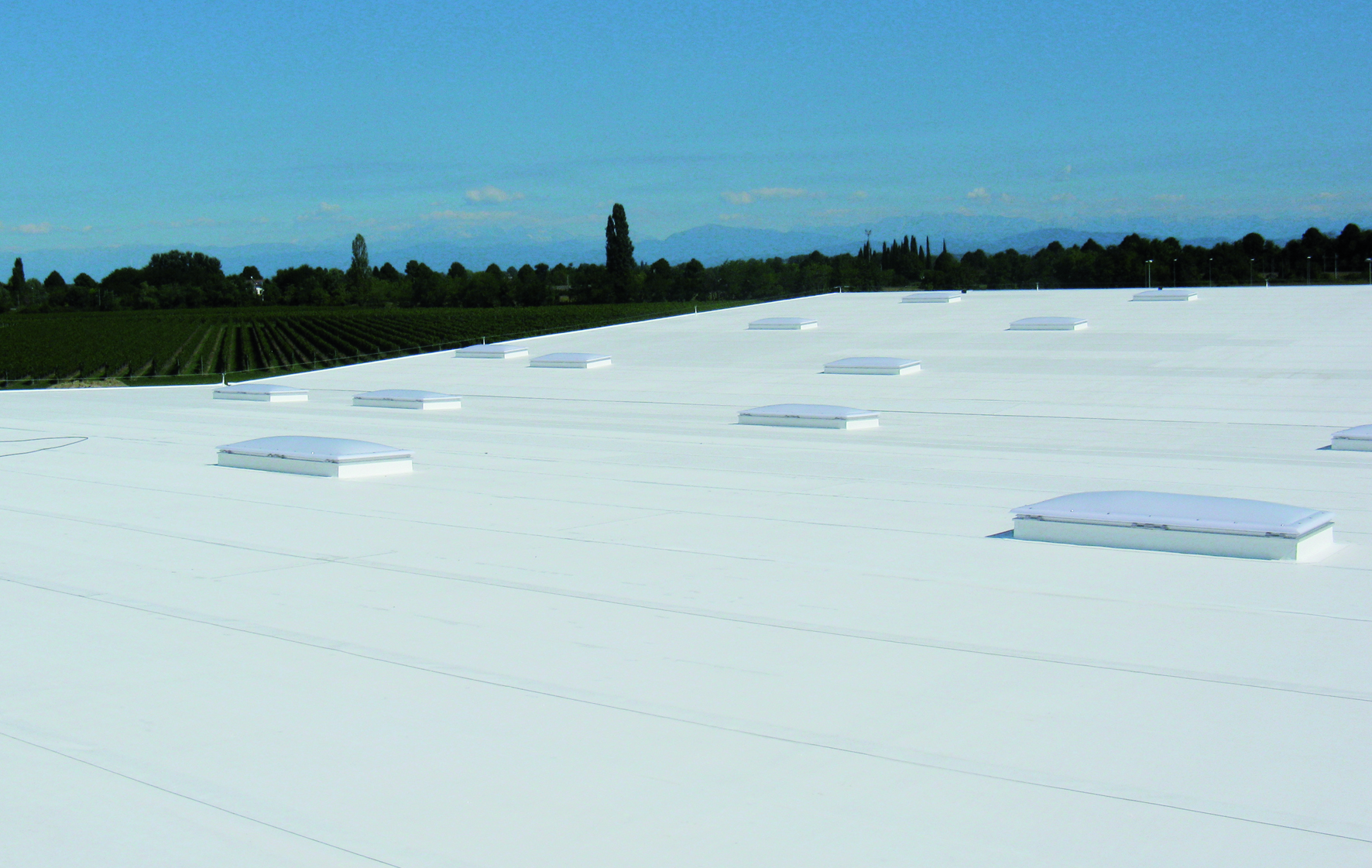

If you’re exploring roofing options for your home or commercial building, you’ve likely encountered the term TPO. Understanding what TPO roofing is can help you make an informed decision about whether this popular system is right for your property.
TPO roofing is a single-ply roofing membrane made from thermoplastic polyolefin, a blend of polypropylene and ethylene-propylene rubber. This innovative material has become increasingly popular for both flat and low-slope roofs on residential and commercial buildings across the United States.
What Is TPO Roofing Made Of
A TPO membrane consists of a single layer of thermoplastic material that’s reinforced with polyester or fiberglass for added strength. The thermoplastic composition gives the material its unique properties—it can be heat-welded at the seams to create watertight bonds. The TPO membrane thickness typically ranges from 45 to 80 mils, with thicker options offering greater durability for high-traffic areas.
Properties and Characteristics of TPO Membranes
These membranes are known for their distinctive white or light-colored surface, which reflects sunlight and reduces heat absorption. The material can expand and contract with temperature changes without cracking or breaking down. This flexibility makes it ideal for buildings that experience significant temperature fluctuations. The heat-welded seams create bonds that are actually stronger than the membrane itself, making a TPO roof system highly resistant to leaks and wind uplift.
The Benefits and Drawbacks of TPO
This roofing solution offers excellent energy efficiency due to its reflective surface, which can significantly reduce cooling costs. It’s resistant to UV radiation, ozone, and chemical exposure, making it durable in various environments. Installation is also relatively cost-effective compared to other options.
However, potential drawbacks include inconsistent manufacturing quality among different brands, as the material is relatively newer. The seams require skilled installation to ensure long-term performance. While systems perform well in most climates, extreme temperature fluctuations can occasionally cause stress on the membrane.
TPO Roofing Lifespan
A properly installed TPO roof typically lasts 15 to 30 years, depending on several factors. Membrane thickness, quality of installation, climate conditions, and maintenance practices all affect longevity. Regular inspections and prompt repairs can extend the life of your system significantly.
TPO Roofing Cost
TPO roofing material is generally more affordable than many alternatives, with costs typically ranging from $4 to $8 per square foot installed. The final price depends on membrane thickness, roof size, installation complexity, and regional labor rates. While it requires a larger upfront investment than traditional shingle roofing, the energy savings and longevity often make it cost-effective over time.
TPO Roofing Material vs. Other Materials
When comparing this material to alternatives like EPDM rubber or PVC, several differences emerge. It offers better heat-welded seams than EPDM’s glued seams, reducing the risk of leaks. Compared to PVC, it’s typically less expensive while offering similar performance. The solution provides a modern balance of performance, cost, and environmental considerations for both residential and commercial roofing TPO applications.
At Infinity Home Remodeling, we’re experienced contractors serving homeowners and businesses throughout Berks County, Lehigh County, Bucks County, and Montgomery County. Our skilled team can help you determine if a TPO roof is the right choice for your property. Whether you need a replacement or new installation, we deliver quality workmanship backed by our commitment to customer satisfaction. Contact Infinity Home Remodeling today for a free consultation!