


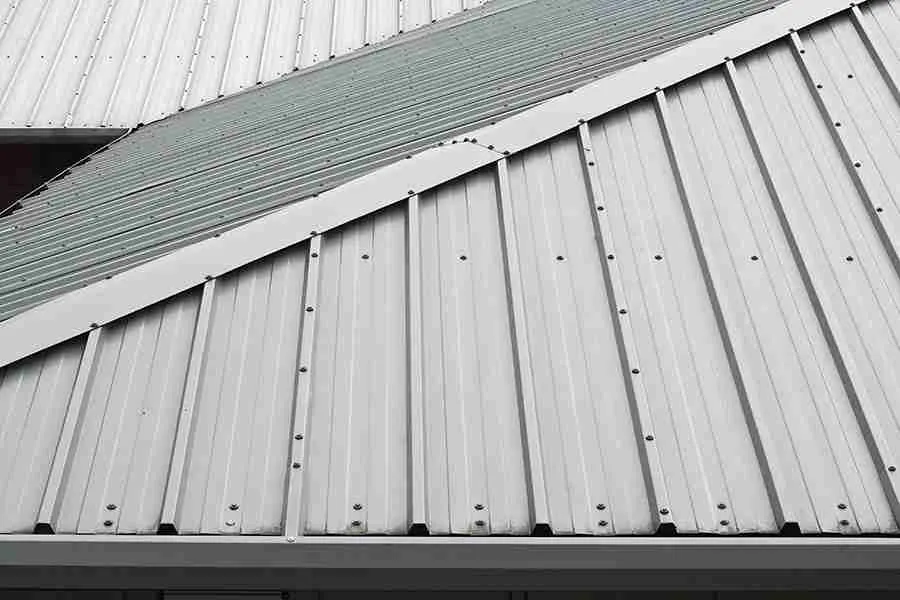

Metal roofing has become an increasingly popular choice for homeowners across the United States, offering exceptional durability and long-term value for residential properties.
Metal roofing is a durable roofing system made from metal pieces or tiles, typically constructed from steel, aluminum, copper, or zinc alloys. These roofs offer exceptional longevity—often lasting 40 to 70 years—superior weather resistance, energy efficiency, and low maintenance. Understanding how to install a metal roof can help you make informed decisions about your roofing project.
Prepare the Roof Surface
Before you begin installing a metal roof, proper preparation is essential. Start by removing old roofing materials completely, including shingles, nails, and damaged flashing. Thoroughly inspect the roof decking for any signs of rot or water damage. Replace any damaged sections to ensure a solid foundation. Once the decking is sound, install a high-quality underlayment that provides an additional moisture barrier and protects against potential leaks.
Measure and Cut the Metal Panels
Accurate measurements are critical for metal roof installation. Measure your roof dimensions carefully, accounting for slopes and valleys. When you’re ready to install metal roof panels, use tin snips for small cuts or a circular saw with a metal-cutting blade for longer cuts. Always leave a 1-2 inch overhang at the eaves to ensure proper water drainage. Safety is paramount—wear protective gloves and safety glasses throughout the roof installation process.
Install Drip Edges
Drip edges are L-shaped metal strips installed along the roof’s edges that direct water away from the fascia. Place them along the eaves before laying underlayment, and along the rakes after. Overlap each section by at least 2 inches and secure them with roofing nails spaced every 8-12 inches. This component plays a vital role in protecting your roof structure from moisture infiltration.
Lay the Metal Panels
Knowing how to start a metal roof is crucial, as it sets the stage for the entire installation. Begin at the end of the roof opposite the prevailing wind direction. Ensure the first panel is perfectly square with the roof edge, as this establishes the pattern for all subsequent panels. Overlap panels according to manufacturer specifications—usually 1-2 inches on the sides. Use a chalk line to maintain straight rows and prevent alignment issues at the ridge.
Secure Each Panel
Attaching metal roofing requires special screws with rubber washers that create watertight seals. Place screws in the flat part of the panel, not the ridges, spacing them 12-24 inches apart. Drive screws straight and snug—tight enough to compress the washer slightly, but not so tight that you distort the metal. This balance is crucial for preventing leaks while avoiding damage to your steel roof installation.
Install Ridge Caps
Ridge caps cover the peak of your roof where two planes meet. Before installing ridge caps, place foam closure strips that fill the gaps created by the panel’s corrugations, preventing water, debris, and pests from entering. Position the ridge cap over the foam closures, ensuring equal overhang on both sides. Secure with screws placed every 12 inches. This component seals one of the most vulnerable areas where leaks commonly develop.
Seal Joints and Edges
Use a high-quality, metal-approved butyl or polyurethane sealant at all seams, joints, and penetrations. Apply sealant where panels overlap, around all roof penetrations, and along trim edges. This weatherproofing step ensures your metal roofing installation can withstand harsh weather conditions. Proper sealing transforms a good installation into a truly watertight system.
Add Trim and Flashing
Install sidewall flashing where the roof meets vertical walls, endwall trim at gable ends, and appropriate flashing around chimneys and dormers. When learning how to install metal roofing, many DIYers underestimate the importance of proper trim work—yet it’s these details that differentiate amateur installations from professional-quality results.
Final Inspection
Conduct a thorough inspection after installing metal roofing. Check that all screws are properly tightened and sealed. Verify that panel overlaps are consistent and properly fastened. Look for any sharp edges that need trimming. Check that all trim and flashing are secure. This quality assurance step ensures your metal roof installed will perform reliably for decades.
While installing a metal roof can be rewarding for skilled homeowners, it’s also complex and requires specialized knowledge and tools. At Infinity Home Remodeling, we specialize in professional metal roof installations and serve homeowners throughout Berks County, Lehigh County, Bucks County, and Montgomery County. Our experienced team can complete your project efficiently while ensuring it meets all building codes. We’ll save you time, eliminate the stress, and deliver a flawless installation backed by our quality guarantee. Contact Infinity Home Remodeling today for a free consultation!